
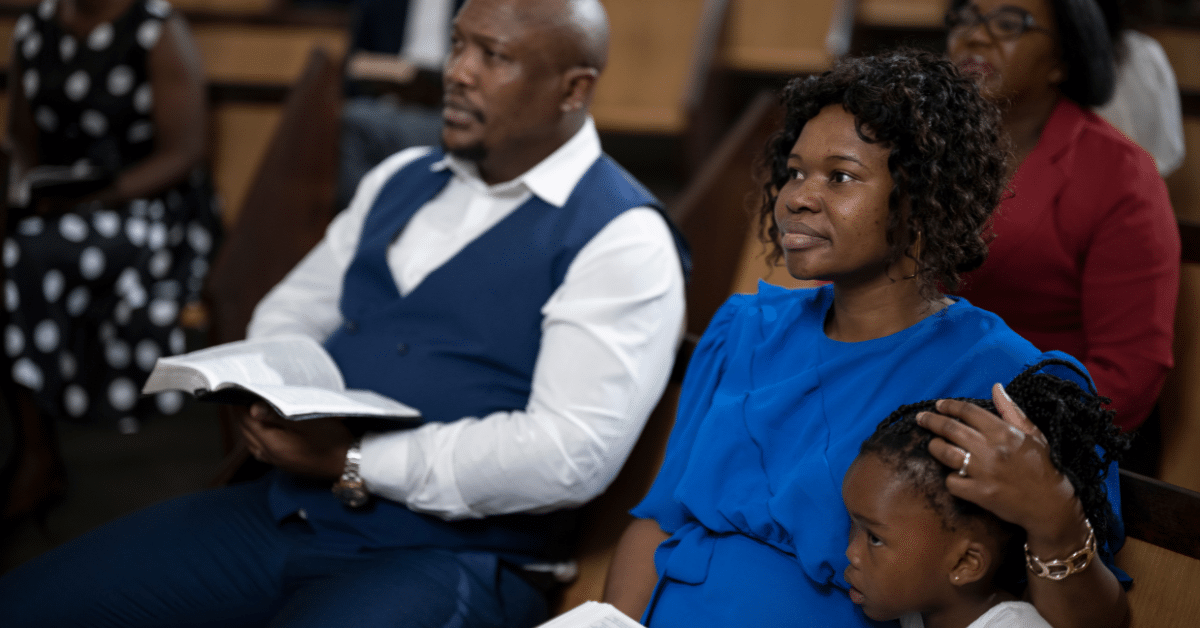

They didn’t leave the church.
At least, not officially.
They’re still on the roll. Still give occasionally. Still speak kindly when you see them.
But they’re not there like they used to be.
A faithful couple. Long-time members. Once present every week. Now… every now and then.
No conflict. No complaint. Just fewer Sundays.
And no one knows why.
This is the shift many pastors are sensing but struggling to name. It’s not loud. It doesn’t demand attention. But it is quietly reshaping the church.
The Drift Is Subtle Before It Is Significant
It rarely begins with a decision.
It begins with a pattern.
One missed Sunday becomes two. Twice a month becomes once. Then occasional becomes normal.
There’s no announcement. No moment where someone says, “We’ve decided to disengage.” It just… happens.
And because it’s gradual, it’s easy to overlook. After all, they’re still around. They haven’t left.
But over time, the cumulative effect is significant. A once-faithful member becomes a sporadic attendee. A core family becomes a fringe presence.
If you only measure loss by membership rolls, you’ll miss what’s happening in real time.
They Are Not Angry—They Are Reprioritizing
Here’s what makes this shift so difficult to address:
They’re not upset.
They still love their church. They appreciate you as their pastor. They would even say they are committed.
But somewhere along the way, church became one of several options instead of the priority.
Weekends filled up. Travel increased. Kids’ activities expanded. Rest became more necessary.
And without ever saying it out loud, they began to make new choices.
They are not reacting—they are reallocating.
You’re not dealing with resistance. You’re dealing with competition—for time, attention, and energy.
The New Definition of “Regular” Has Quietly Changed
For decades, pastors could assume that a faithful member attended weekly.
That assumption no longer holds.
Today, many of your most committed members would describe themselves as “regular” attenders… even if they are present only twice a month.
In their minds, nothing has changed. They still feel connected. Still engaged. Still part of the church.
But the definition of consistency has shifted.
And if you’re leading with yesterday’s assumptions, you’ll misread today’s reality.
You may think people are declining in commitment when, in their minds, they are doing just fine.
No One Talks About It Because Nothing Feels Wrong
There is no crisis moment.
No doctrinal disagreement. No relational conflict. No moral failure.
So no one raises a concern.
The member doesn’t feel the need to explain. The pastor doesn’t feel the urgency to ask.
And the drift continues—quietly, steadily, almost invisibly.
Silence can be deceiving.
It does not always indicate health. Often, it reflects ambiguity.
People are not intentionally stepping away. They are simply not thinking deeply about what they are stepping away from.
The Response Is Not Guilt—It’s Clarity and Reengagement
It can be tempting to respond with pressure.
But guilt is a short-term motivator at best—and often a damaging one.
Instead, this moment calls for clarity.
Clarity about why gathering matters. Clarity about what it means to be a member. Clarity about the role of the church in the life of a believer.
And it calls for intentional reengagement.
Not just from the pulpit, but personally.
A text. A call. A conversation that says, “You matter. We notice. We care.”
It also means creating meaningful touchpoints beyond Sunday morning—places where relationships deepen and engagement grows.
The goal is not attendance pressure.
It is intentional discipleship.
The Quiet Reality
The most concerning trends in the church are not always the loudest.
Some do not come with conflict or crisis.
Some come quietly.
They whisper in empty seats that used to be filled. In names still on the roll but rarely in the room. In faithful members who slowly become occasional attendees.
And wise pastors learn to listen early.
Because what is subtle today can become significant tomorrow.
And what is silent now may shape the future of your church more than anything you hear out loud.
Posted on April 13, 2026
With nearly 40 years of ministry experience, Thom Rainer has spent a lifetime committed to the growth and health of local churches across North America.
More from Thom
