
Start with Theology
So much of this conversation starts with our theology of disability. How do we understand disabilities and how they fit into our world? We start by understanding that every person is made in the image of God. And what that means is that every person has the potential to have a relationship with God. And so there’s this shift now that we’re seeing, in the disability ministry world, away from the idea of babysitting and toward a ministry of discipleship.
Every person with a disability that comes into our church is an image bearer. They have the ability to have a relationship with God, whatever that looks like and whatever we may understand that to be. So, the first non-negotiable is to see this as an evangelism and discipleship issue. We’re not just going to put people with disabilities in a room so that the rest of their family can be discipled. We’re going to disciple them too.

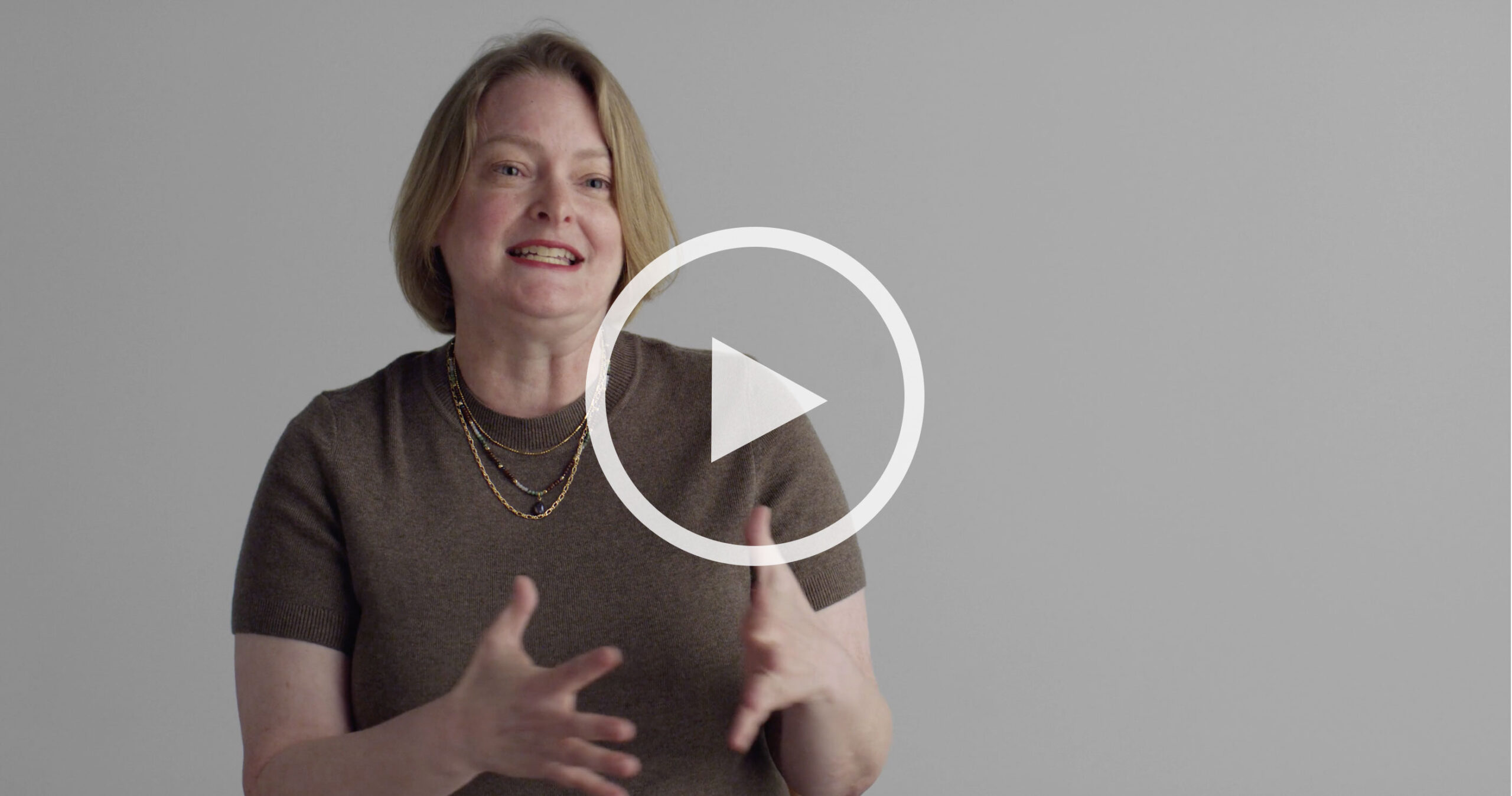
Sharing years of expertise and personal experience as a caregiver, ministry consultant and professor Sandra Peoples shows churches how to remove physical and social barriers to create a welcoming, inclusive space for disability families.
We’re going to understand how they’re created, how they best learn, how they respond, and we’re going to meet that with options for discipleship and evangelism so that they have an opportunity to glorify God in all that they do.
That speaks to our mission and heart as a church. When we communicate that to families, we’re also discipling the family in that way, saying, We are going to come alongside you, mom and dad, and show you what it looks like to disciple your child or your teen with a disability.
We’re encouraging every member of that family to look at this person with a disability as an image bearer with the potential to have this relationship with God.
Sandra Peoples is the author of Accessible Church: A Gospel-Centered Vision for Including People with Disabilities and Their Families.

Related Articles
What Does Discipleship in Disability Ministry Look Like?
Growing up with a sister with Down syndrome is the catalyst for my current ministry calling—helping churches take steps of accessibility so people with disabilities and their families can attend.
Understanding What Disability and Accessibility Mean for Your Church
If we are looking in our sanctuaries, in our children’s ministry, and in our student ministry, and we are not seeing disability families represented, then there are reasons for that.
4 Steps to Take for Successful Volunteer Care in Disability Ministry
Volunteers are a very important part of any ministry, and it takes four steps of caring for them to make sure that they feel supported and successful.
Sandra Peoples advises the ways that every church can make disability families feel they belong, are welcomed, and loved.
