
Stories as Avenues
Sunlight reflected off pearls of snow on the tree branches outside and streamed through the bay window. My kids and I sat warm and dry around our kitchen table, steam coiling from our mugs and jazz playing on the speakers, and together we journeyed to a starkly different time and place: the Netherlands during the Nazi occupation in 1942. Corrie ten Boom had just opened her home to a third Jewish neighbor seeking refuge. As food scarcity compelled Dutch citizens to eat tulip bulbs and reuse tea leaves, Corrie struggled to provide for the increasing numbers in her home. When she asked her brother Willem, a pastor, for ideas, his suggestion to steal ration cards shocked her.
I paused in our reading and looked up to see my kids’ brows furrowed. “What would you do?” I asked. A silence hung over the room. Then, slowly, they pieced together their thoughts.
“It’s wrong to steal,” my daughter said.
“But wouldn’t it be worse to let the people in her house starve?” my son asked.
“Maybe there’s another way for her to find food,” my daughter added.
Back and forth they went. Before long, we turned to the Bible to examine the sixth commandment (Ex. 20:15) and the directive to love our neighbors (Lev. 19:18; Matt. 22:36-40). We talked about Rahab, who lied to protect the Israelites, and Miriam, who deceived Pharaoh’s daughter to save her brother Moses. We ended at the cross, pondering God’s tremendous grace, love, and forgiveness through Christ.
As the conversation unfolded and I watched my kids’ minds stretch in real-time, I lifted up a prayer of gratitude. Thanks to a single well-written story, we’d waded through deep theological waters and wrestled with hard choices, all without leaving the safety and warmth of our kitchen table.

Set on the high seas in the 18th century, this decide-as-you-go adventure lets kids steer the story with biblical wisdom as their guide. This is the first book in the Lamplight series by Kathryn Butler.
Hard Choices Will Come
Although they’ll never face the oppression of Nazi occupation, at some point, our children will encounter circumstances that test their understanding of God’s will for them. We instinctively shelter kids from pain or difficulties, but in a fallen world, trials will come (1 John 3:13; 1 Peter 4:12). Scripture guides us to embrace such moments as opportunities to grow in faith and endurance (James 1:2–3; Rom. 5:3–4), and it also calls us to prepare our children for challenges through daily instruction in God’s Word (Deut. 6:6–7)—all of it “profitable for teaching, for reproof, for correction, and for training in righteousness” (2 Tim. 3:16). When storms surge and floodwaters rise, God’s Word is a lamp to our feet and a light to our path (Ps. 119:105), a beacon that guides us toward refuge in him (Ps. 18:2; 37:40).
But how do we train our children to apply that illuminating Word when troubles come? As Corrie ten Boom’s dilemma reveals, the hard realities of a fallen world can muddy our understanding of biblical truth. Children might clearly recite the Ten Commandments but falter with the right response when loyalties conflict, friendships are at stake, or forthrightness risks personal hurt. Furthermore, although they proclaim that Jesus loves them, when they make the wrong choice, they can struggle with crippling guilt and shame. How do we prepare kids for the hard, sometimes messy moral choices they’ll face in life without injuring their tender hearts?
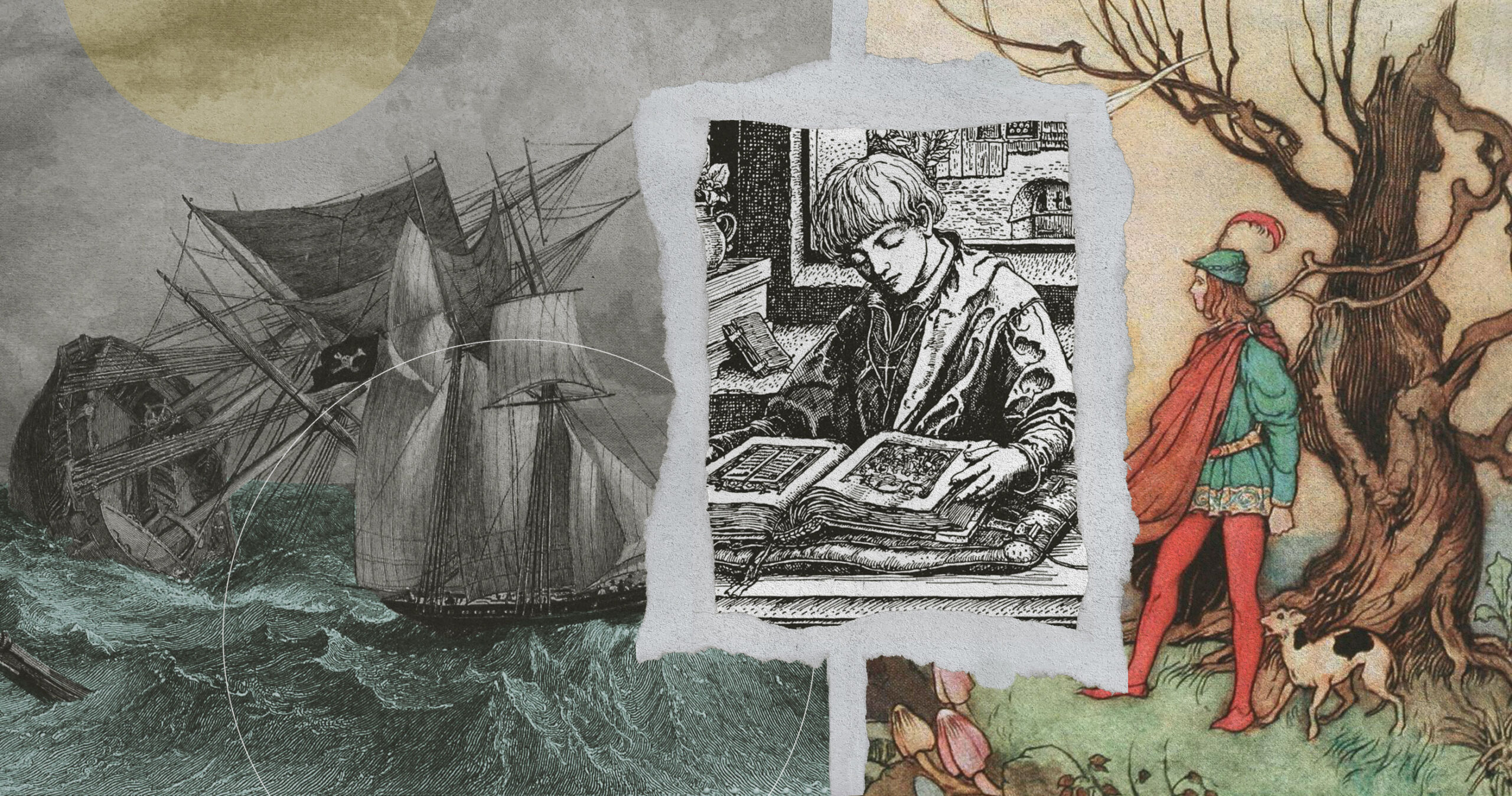
For parents, teachers, and pastors eager to guide children, stories offer low-hanging fruit. Good books not only encourage literacy and spark the imagination but also offer priceless opportunities to cultivate biblical discernment. When we read rich stories with our kids and dialogue with them about the conflicts that characters face, we equip them to navigate hard choices long after they’ve left the safety and security of our homes.
When storms surge and floodwaters rise, God’s Word is a lamp to our feet and a light to our path, a beacon that guides us toward refuge in him.
Lessons Between the Pages
The book my kids and I read that winter’s morning featured a historical figure, but even fiction can help children contextualize moral challenges. “Parents understandably want to protect their children from making bad choices, so fiction is an excellent way for children to imaginatively experience the school of hard knocks,” writes children’s book author Betsy Childs Howard.1 Just a smattering of examples from literature illustrates her point. During a reading of The Chronicles of Narnia, for instance, kids can place themselves in Edmund’s shoes and imagine how they might respond to temptation. Even if they never sail the high seas, a voyage with Jim Hawkins from Treasure Island draws them into the murky waters of greed, loyalty, and duplicity. And as they journey with Bilbo across Middle-earth in The Hobbit, they witness choices that plunge characters into danger and raise questions about greed and self-sacrifice. Even the wildly popular choose-your-own-adventure books that enthralled some of us in the 1980s can prove instructive when we introduce them to kids with a discipleship mindset. “Life is full of choices, and a decide-as-you-go adventure experientially teaches kids that choices have real consequences,” writes Howard.2 When gripping tales prompt children to ask themselves, “What is right?” they explore moral conundrums from the comfort of the sofa.
And when we walk alongside them through such stories, we can offer biblical insight to light the way. The following tips can help cultivate biblical discernment as the kids in your life dive into literature. These recommendations focus on read-alouds, but any conversation with children about characters from books can spark thoughts about how to live faithfully in a fallen world.
1. Pause and ask.
The simple question, “What would you do?” encourages kids to engage with rather than passively receive a story. Prompt them to place themselves in a character’s position, inviting them to tease out the conflicting thoughts, emotions, and principles at play.
2. Let them wrestle.
Rather than spoon-feed kids answers, allow them to think out loud and navigate possible approaches. Create space and time for them to truly ponder. Respond patiently and compassionately as they work through their decisions.
3. Point to Scripture.
God gives us Scripture out of love for us so we might walk in his ways (Heb. 4:12; 2 Tim. 3:16), and in all cases, God’s Word can speak wisdom and truth into the path ahead. As kids think through the choices facing characters in stories, gently point them to relevant Bible passages to guide them.
4. Emphasize grace.
Even when we make biblical choices, the outcome may not align with our hopes. As “the word of the cross is folly to those who are perishing” (1 Cor. 1:18), acting faithfully often won’t earn us worldly approval or prosperity. Reassure kids that no matter the outcome, when we abide by God’s Word, we’re always making the choice—however hard—that pleases him. Most importantly, remind them of God’s grace toward us. Even when we make the wrong choice, through Christ he separates our sin from us as far as the east is from the west (Ps. 103:12).
5. Continue the conversation.
At some point, kids will grow out of read-alouds around the table . . . but they shouldn’t grow out of books. Encourage your kids to read, read along with them in parallel, and then continue the conversation. If you can’t keep up, still ask questions about what they’re reading and elicit their thoughts on the conflicts characters encounter. Discuss the decisions and dilemmas that arise in books, and challenge them to think through their own responses to similar scenarios.
In an increasingly digitized landscape, books offer opportunities for moral formation that no app can rival. When you wander with your kids through stories richly told, you shepherd them through choices in a safe space where they’re free to contemplate and grow. Author Amanda Cleary Eastup so poignantly states, “Whether a decision tosses them onto the safety of dry land or into the claws of a villain, God’s will, grace, and love form the plotline and always triumph in the end.”
Notes:
- Betsy Childs Howard in The Hunt for the Kraken by Kathryn Butler (Crossway, 2026), endorsement page.
- Ibid.
Kathryn Butler is the author of The Hunt for the Kraken: A Decide-as-You-Go Adventure by Kathryn Butler.

Related Articles
An Interview with Kathryn Butler, Author of The Dream Keeper Saga
We recently caught up with Kathryn Butler, author of The Dream Keeper Saga, to ask her all of the questions on our mind about what her writing process is like and how to incorporate themes of Christian hope into a story.
All the Very Best Stories Lead Us to Hope in the Darkness
Stories, it seems, can remind our kids that in Christ, morning will always come, no matter how deep the darkness.
Introducing a New Decide-as-You-Go Adventure Series for Kids
Kids choose the course of this fast-paced sea voyage, the first interactive novel from Kathryn Butler’s the Lamplight Series.
Podcast: Unicorns, Allegory, and Stories That Give Us Hope (Kathryn Butler)
Kathryn Butler talks about writing Christian fiction and how she has crafted books that weave together biblical themes and compelling storytelling.
